Scrum
Mechanical vs Professional Scrum Explained
Explores the difference between mechanical and Professional Scrum, highlighting the importance of values, principles, and technical excellence for …
TL;DR; Scaling Scrum requires truly professional teams who embody agile values and strong engineering practices, not just following processes superficially. Off-the-shelf frameworks do not fit every organization, so adapting Scrum to your unique context is essential. Focus on building skilled teams, fostering effective communication, and adopting only the practices that support your specific scaling needs.

I was in Norway for NDC Oslo 2015 and I was there to talk about “Big Scrum : All you need and not enough” which is a kind of oxymoron as it really is enough, you just need to apply the values and principals at scale. I tried to cover what for me is a total 100% requirement for Scale.
[embed]https://vimeo.com/131642789[/embed]
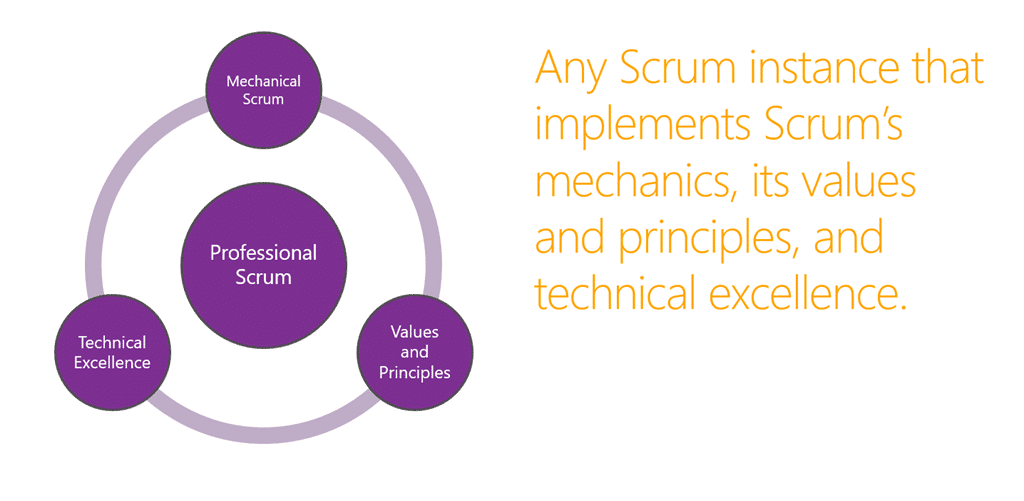
In order to scale you first need Professional Team and not Amateur Teams. In the Scrum world that means that you need to embody the values and principals of agile, have awesome engineering practices, and know the mechanics . Its really not enough to simply pay lip service to your process. Dig in and really do it.
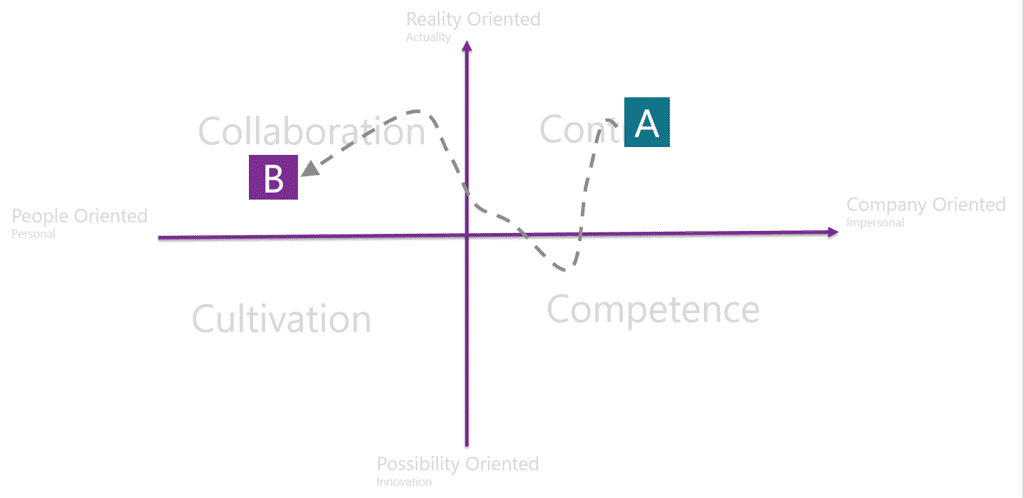
The second thing that I covered is why a cookie cutter process will not work. Your companies change is a unique fingerprint and the idea that you can buy and off-the-shelf process that will suit your culture and your journey is ludicrous.
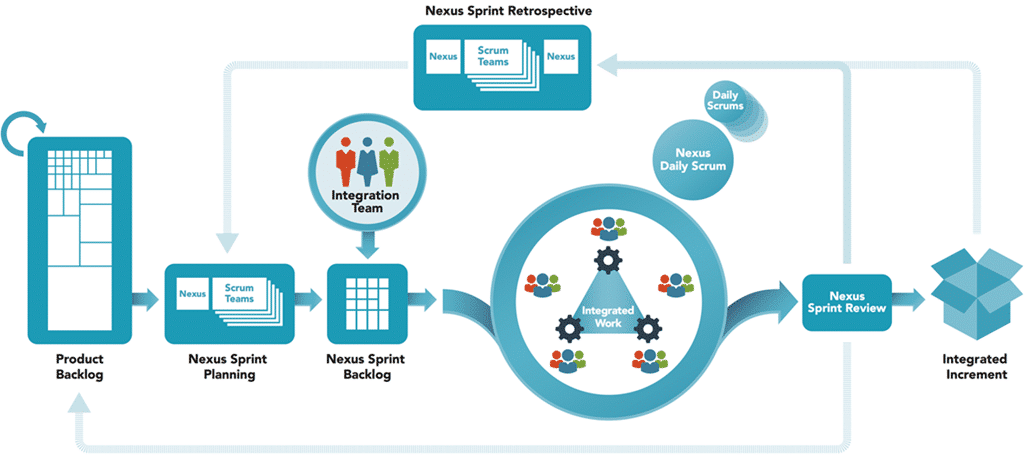
To support scaling Scrum you need to have many Professional Scrum Teams working together, and for that we need a few extra communication lines that are not new, but that need enshrined in the model to make sure that it works. Check out the video below to get a walk-through of the new events and their significance and value.
At the end of the session I highlighted a small number of additional, but optional, practices that make scaling a lot easier. These practices only scratch the surface of what is presented in Scrum.org’s new Scaled Professional Scrum course, but they are representative of practices that we know, from experience, you need to build software big.
Big Scrum: All you need and not enough
The proliferation of scaling frameworks shows there are real challenges in scaling agility, and the solutions don’t seem to involve inventing yet more frameworks or formal processes. So then, why is it so hard to find success in agility at scale? Large scale agility can be found in exploiting Scrum’s simplicity while emerging and sustaining technical excellence . Something that sounds so easy shouldn’t be so hard, and for some it isn’t. This session highlights successes in growing large scale agility using Big Scrum while maintaining technical excellence to deliver value faster.
Each classification [Concepts, Categories, & Tags] was assigned using AI-powered semantic analysis and scored across relevance, depth, and alignment. Final decisions? Still human. Always traceable. Hover to see how it applies.
If you've made it this far, it's worth a conversation. Tell us where you are and what you're trying to change. Martin reads every inquiry and replies personally.
Start the conversationWe partner with businesses across diverse industries, including finance, insurance, healthcare, pharmaceuticals, technology, engineering, transportation, hospitality, entertainment, legal, government, and military sectors.

Illumina

Xceptor - Process and Data Automation

New Signature

Microsoft

Jack Links

Akaditi

Emerson Process Management

Boeing

Bistech

Slicedbread

Capita Secure Information Solutions Ltd

Qualco

DFDS

Alignment Healthcare

SuperControl

Epic Games
Schlumberger

Teleplan

Ghana Police Service

Royal Air Force

Department of Work and Pensions (UK)

Nottingham County Council

Washington Department of Enterprise Services

New Hampshire Supreme Court
SuperControl

Deliotte

Genus Breeding Ltd
Boxit Document Solutions

Lean SA

Lockheed Martin